Deep shoulder pain, clicking, reduced throwing ability, or repeated instability does not automatically mean that an MRI finding requires surgery. By the end, you will know how SLAP tears are distinguished from other shoulder injuries, when rehabilitation is reasonable, how surgeons choose between repair and other procedures, and what to expect from assessment and recovery in Bangalore.
Key takeaways
- SLAP tears affect the upper labrum, not every shoulder labral tear.
- Confirm the diagnosis with an examination and imaging before considering surgery.
- Try structured physiotherapy when symptoms are stable and the shoulder is functional.
- Choose surgery based on age, activity, tear pattern and biceps tendon involvement.
What is a SLAP tear, and which shoulder symptoms need assessment?
SLAP means “superior labrum, anterior to posterior.” It describes a tear in the upper rim of the shoulder socket, often where the long-head biceps tendon attaches. The term does not mean every labral tear: an anterior-inferior Bankart tear is linked more closely to dislocation and instability.
| Injury | Main structure and usual pattern | Clues that distinguish it |
|---|---|---|
| SLAP tear | Upper labrum, front to back; may involve the biceps attachment | Deep pain, clicking, painful overhead or throwing movements |
| Bankart tear | Anterior-inferior labrum | Repeated slipping, dislocation, or a sense that the shoulder will come out |
| Posterior labral tear | Back of the labrum | Pain with pushing, lifting, or force directed backward |
| Rotator cuff tear | Tendons around the shoulder, not the labrum | Weakness lifting the arm and a painful arc |
| Biceps tendon injury | Biceps tendon or its attachment | Front-of-shoulder pain, tenderness, or pain with resisted elbow bending |
Arrange an orthopaedic assessment for deep shoulder pain, catching or clicking, reduced throwing ability, weakness, painful overhead movement, night pain, or instability that persists after an injury or limits sport and daily tasks. Seek urgent care after a major injury if the shoulder looks deformed, cannot move, or has numbness or a cold hand.
A scan alone does not prove that a SLAP tear causes your pain. The history, shoulder examination, movement and instability tests, X-rays, and—when needed—MRI or MR arthrography must match. Ask whether shoulder labral tear treatment requires rehabilitation, repair, debridement, or biceps treatment before considering slap tear repair bangalore.
How is a SLAP tear diagnosed, and when should you try treatment without surgery?
An MRI finding does not prove that a SLAP tear causes your pain. The diagnosis becomes convincing when the injury history, symptoms, examination, and scan point to the same structure rather than showing an incidental or degenerative labral change.
Your history helps identify the pain generator. Tell the surgeon whether symptoms began after a fall, traction injury, repetitive throwing, or gradually; describe deep pain, catching, painful overhead movement, weakness, instability, sleep disturbance, and the activities you can no longer perform.
The examination compares both shoulders for range of motion, strength, scapular control, rotator-cuff function, biceps pain, and instability. Provocative labral tests can support the diagnosis, but no single test confirms it. A normal strength examination with another clear pain source weakens the case for labral surgery.
Plain X-rays usually do not show the labrum. They can reveal arthritis, fracture, abnormal bone shape, or another explanation for symptoms. MRI assesses the labrum, rotator cuff, biceps attachment, and cartilage; MR arthrography places contrast inside the joint, which can outline some tears more clearly.
Try shoulder labral tear treatment without surgery when there is no major instability or repairable associated injury. Activity modification, medically appropriate pain relief, and structured physiotherapy should address motion, scapular control, rotator-cuff strength, and shoulder mechanics. Reassess after a defined rehabilitation period; persistent functional limitation may justify surgical discussion.
Searching for orthopedic surgery in Bangalore does not replace this diagnostic process.
When is surgery reasonable, and which procedure is appropriate?
Surgery becomes reasonable when pain or mechanical symptoms still limit work, sleep, throwing, or daily use after a well-supervised rehabilitation programme, or when examination shows instability or another repairable lesion.
An MRI label alone is not enough: symptoms, physical findings, tear pattern, tissue quality, age, biceps pain, previous surgery, and work or sporting demands must point to the same pain source.
Ask the surgeon to explain which operation is proposed and why:
| Option | What it does | When it fits |
|---|---|---|
| Debridement | Trims frayed, unstable labral tissue without reattaching it | A small, non-repairable or degenerative flap causes catching without meaningful instability |
| SLAP repair | Reattaches the superior labrum to the socket with arthroscopic suture anchors | The tissue is suitable, the tear is traumatic or unstable, and preserving the biceps attachment suits the patient’s demands |
| Biceps tenodesis | Releases the biceps tendon from its superior labral attachment and fixes it to the upper-arm bone | Biceps pain, degenerative tissue, failed prior repair, or an older or lower-demand shoulder makes repair less reliable |
The SLAP tear surgery process should include arthroscopic inspection, confirmation that the labrum is actually unstable, and treatment of associated rotator-cuff or instability lesions. It is not simply stitching every abnormal scan.
For someone searching SLAP tear repair Bangalore, compare a shoulder and sports-injury orthopaedic surgeon’s reasoning, not just the quoted fee. Ask what the scan and examination show, which alternatives remain, and what rehabilitation restrictions follow each option. Costs also change with anchors, anaesthesia, hospital stay, imaging, and rehabilitation.
What happens during SLAP tear surgery and rehabilitation?
A consultation confirms that the SLAP lesion matches your pain, examination findings, and activity demands; an MRI finding alone does not justify surgery. The surgeon discusses continued rehabilitation, repair, debridement, or biceps tenodesis, while the anaesthetist reviews medical conditions, medicines, fasting, general anaesthesia, and whether a regional nerve block is suitable.
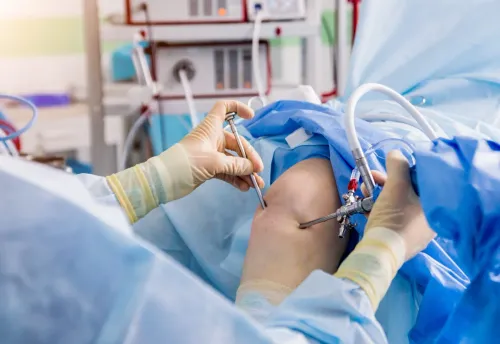
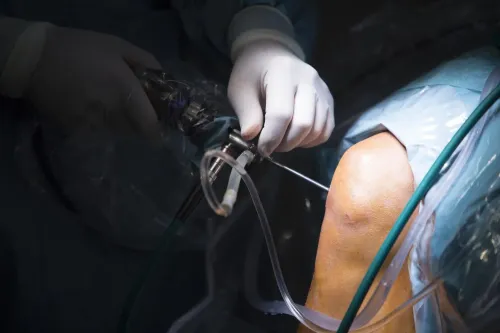
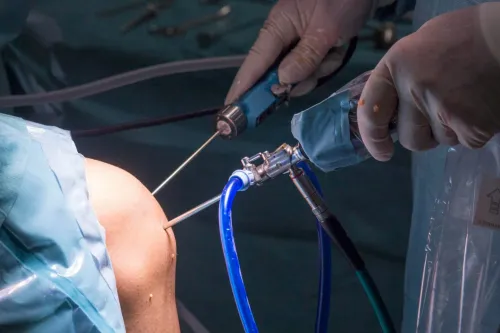
During the slap tear surgery process, the surgeon inserts a camera through a small portal and uses additional portals for instruments. Arthroscopic inspection checks the labrum, biceps attachment, cartilage, rotator cuff, and other causes of pain.
A healthy, repairable tear may be secured with suture anchors; frayed tissue may be trimmed instead, or the biceps attachment treated when repairing the superior labrum is unlikely to help.
After surgery, a sling protects the repair. Avoid lifting, active shoulder elevation, and resisted biceps activity until your surgeon permits them. Rehabilitation usually progresses through:
- Early protection and prescribed passive movement
- Active range-of-motion work as healing allows
- Strengthening after adequate tissue healing
- Sport-specific drills before throwing, contact, or overhead competition
Progress varies with the procedure and associated injuries. Many patients regain daily use over several weeks, while strength and overhead sport can take several months. Return to previous performance is not guaranteed.
Ask what the quoted SLAP tear repair Bangalore package includes, including anchors, anaesthesia, imaging, admission, and physiotherapy. Report worsening pain, fever, drainage, numbness, or a swollen arm; complications include stiffness, infection, nerve or blood-vessel injury, persistent pain, recurrent tearing, and anaesthetic problems. Biceps procedures can also cause cramping, contour change, or ongoing biceps pain.
How should you choose an orthopaedic surgery provider in Bangalore for SLAP tear repair?
Choose a shoulder and sports-injury orthopaedic surgeon, not a provider selected only from a search for orthopedic surgery in Bangalore SLAP tear repair. Ask how often they perform shoulder arthroscopy, whether they assess instability and biceps problems, and who will conduct your operation.
Confirm that the MRI finding matches your symptoms and examination. Ask whether you need repeat imaging, an MRI arthrogram, or plain X-rays before deciding. The surgeon should explain non-operative treatment, including activity modification and supervised physiotherapy, before recommending surgery.
| Option | What it means | When it applies |
|---|---|---|
| Repair | Reattaches suitable labral tissue with suture anchors | Discrete traumatic tears in suitable tissue, particularly in some young overhead athletes |
| Debridement | Trims frayed or unstable tissue | Small, non repairable lesions without significant instability |
| Biceps tenodesis | Moves and fixes the biceps tendon attachment | Degenerative tissue, biceps symptoms, older or lower-demand shoulders, or failed repair |
Request a written estimate covering surgeon and hospital fees, anaesthesia, implants or suture anchors, imaging, admission, associated rotator-cuff treatment, and rehabilitation. Price comparisons are meaningless when these inclusions differ.
Before booking, ask about medication changes, fasting, transport, sling arrangements, and the first review. Confirm who supervises staged rehabilitation, how often follow-ups occur, and whether you receive written restrictions. Dr Akshay Dhanda should be able to explain these choices and the rehabilitation pathway during consultation.
Choose a facility with a documented urgent-care route for fever, wound drainage, uncontrolled pain, breathing difficulty, or a numb, cold hand after surgery. A named 24-hour contact matters.
Related service
SLAP Tear Repair Dr. Akshay Danda SLAP Tear Repair** is a specialised shoulder treatment aimed at addressing a tear in the superior part of the labrum, the cartilage... View service → |
Frequently asked questions
What is a SLAP tear?
A SLAP tear is a tear in the superior labrum, running from anterior to posterior along the upper rim of the shoulder socket, often near the long-head biceps tendon attachment.
Which shoulder symptoms need assessment for a SLAP tear?
Assessment is appropriate for deep shoulder pain, clicking or catching, pain with overhead activity, reduced performance, or symptoms that persist after an injury or failed home care.
How is a SLAP tear diagnosed?
Diagnosis combines your injury and activity history with a shoulder examination. X-rays assess bone problems, while MRI or MR arthrography can assess the labrum and associated structures.
When should you try treatment without SLAP tear surgery?
Try non-surgical care when the shoulder is stable and symptoms are manageable. Treatment can include activity modification, anti-inflammatory pain relief when safe, and a structured physiotherapy programme targeting motion, rotator-cuff strength and shoulder-blade control.
When is SLAP tear surgery reasonable?
Surgery is reasonable when persistent pain, catching or loss of function continues despite appropriate rehabilitation, or when the tear is linked to instability or another repairable shoulder problem.
Keywords