An ACL injury can make the knee feel unstable during sudden turns, sports, running, or changes in direction. For athletes and active individuals, repeated episodes of the knee giving way can become more troublesome than pain itself. ACL Precision Surgery in Bangalore focuses on accurately evaluating ligament damage and planning reconstruction when instability and activity requirements make surgical treatment appropriate.
The anterior cruciate ligament helps control forward movement and rotational stability of the knee. It is commonly injured during twisting movements, awkward landings, rapid changes in direction, or contact during sports.
A typical injury may involve a sudden twist, a popping sensation, swelling, and difficulty continuing activity. However, not every ACL tear produces identical symptoms.
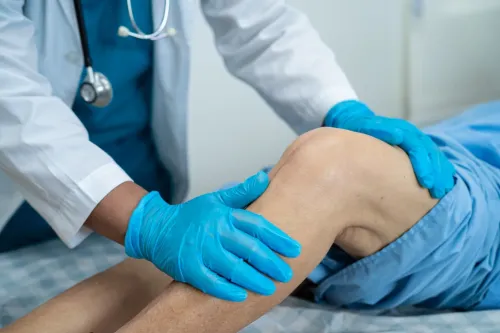
Clinical examination and MRI can help determine whether the ACL is partially or completely torn and whether other structures, such as the meniscus or cartilage, have also been injured.
Not every ACL injury requires reconstruction. Non-surgical management may be considered in selected patients based on age, activity level, knee stability, associated injuries, and future sporting demands.
Surgery may be discussed when:
- The knee repeatedly gives way
- The patient wants to return to pivoting sports
- Instability affects work or routine activities
- Associated meniscal damage requires attention
- Structured rehabilitation has not provided adequate functional stability
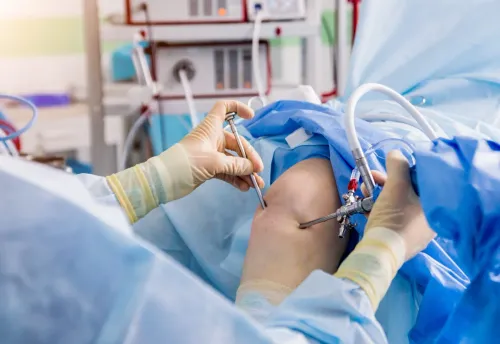
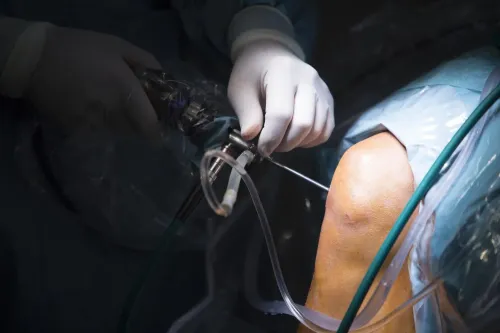
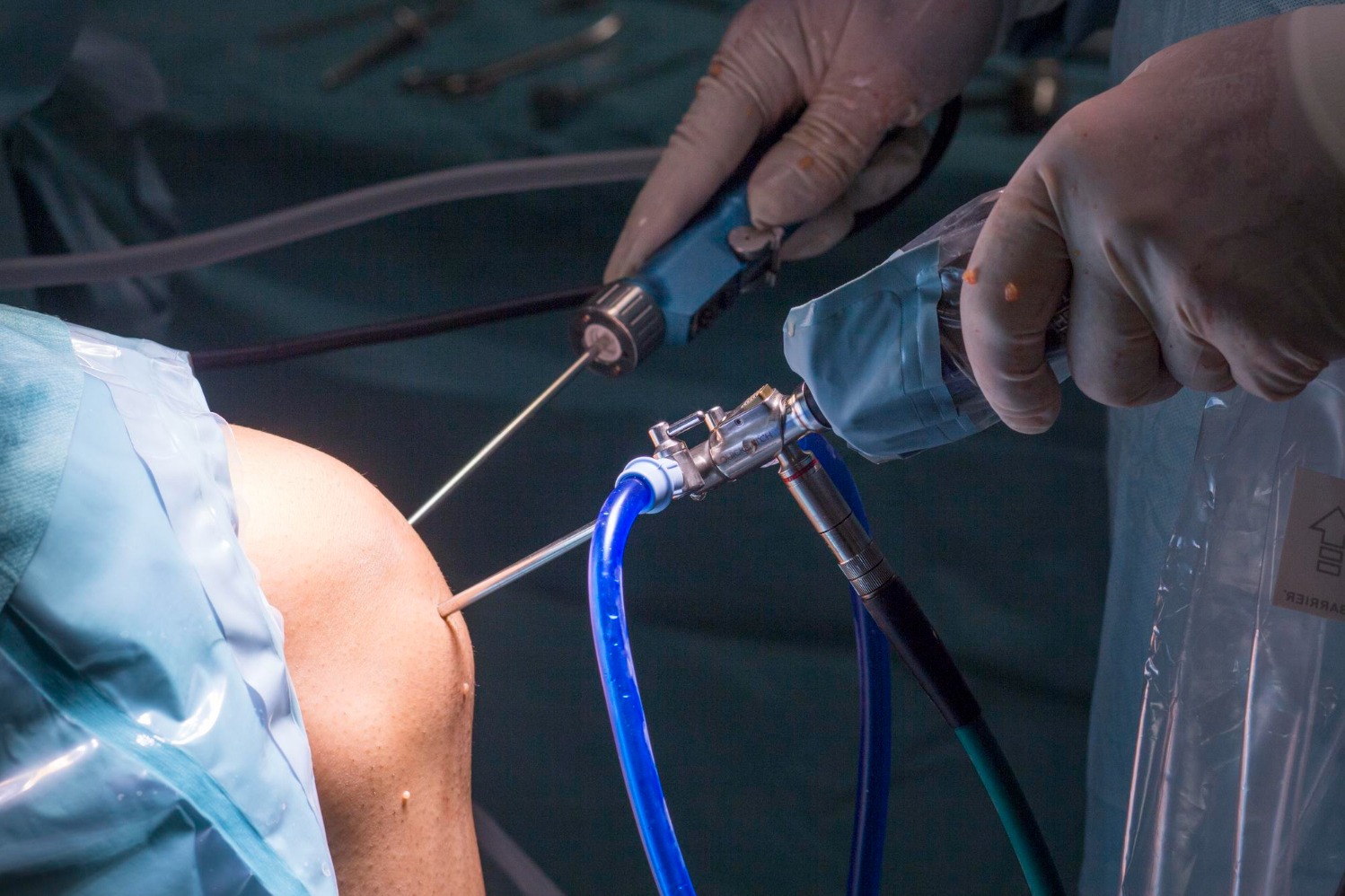
ACL reconstruction typically uses a graft to recreate the function of the damaged ligament. Surgical planning includes graft selection, accurate tunnel placement, assessment of associated injuries, and a structured rehabilitation strategy.
The operation itself is only one part of recovery. Rehabilitation is essential for regaining knee movement, muscle strength, balance, and neuromuscular control.
Returning to sport should not be based only on the number of months since surgery. Strength, movement quality, functional testing, confidence, and the demands of the particular sport may all need consideration.
For athletes and active patients in Bengaluru, Karnataka, this is particularly relevant when returning to football, badminton, basketball, running, or other activities involving rapid direction changes.
Dr Akshay Dhanda evaluates ACL and sports-related knee injuries with attention to both mechanical stability and the patient’s intended activity level.
Before deciding on ACL surgery, patients should understand whether instability is present, what associated injuries exist, which graft may be suitable, and what rehabilitation milestones will guide return to activity.
A well-planned ACL treatment pathway aims not simply to reconstruct a ligament but to restore functional knee stability for the activities that matter to the individual patient.
Keywords