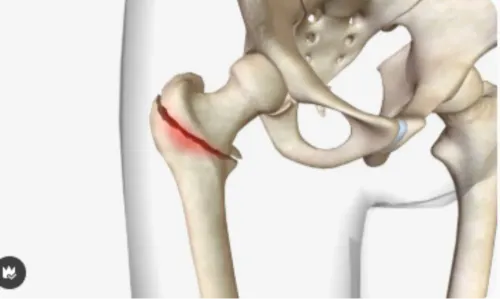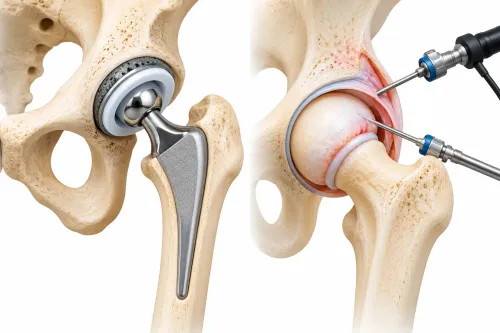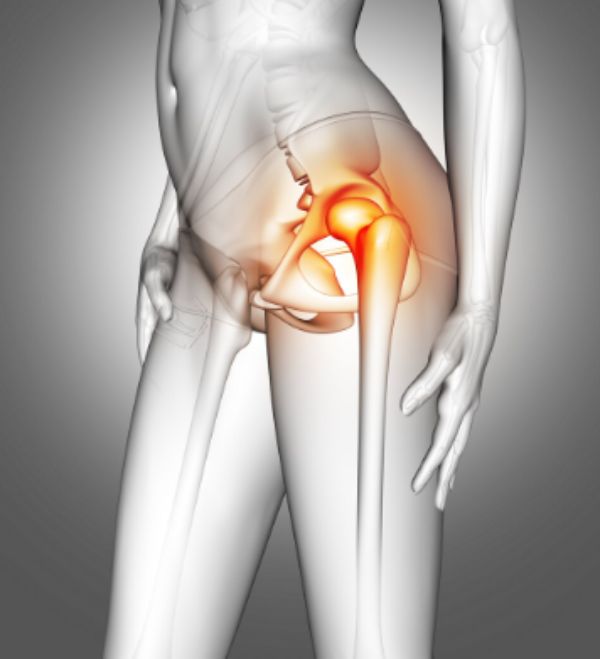
Avascular necrosis of the hip, sometimes referred to as AVN, develops when the blood supply to part of the femoral head is reduced. Without adequate blood flow, bone tissue can weaken and eventually collapse. People searching for Hip Avuncular Necrosis in Bangalore are often trying to understand whether the hip can still be preserved or whether replacement may become necessary.
One challenge with AVN is that early disease may cause relatively mild symptoms. As the condition progresses, pain commonly develops around the groin, thigh, buttock, or hip and may become more noticeable while standing or walking.
Evaluation generally involves a clinical examination and imaging. X-rays can identify more advanced structural changes, while MRI may help detect earlier disease before major collapse is visible on an ordinary X-ray.
Treatment depends strongly on the stage.
When the femoral head has not collapsed, selected patients may have options intended to preserve the natural joint. The exact approach depends on the size and location of the affected area, symptoms, age, and other clinical factors.
Once significant collapse and secondary arthritis have developed, joint-preserving treatment may become less predictable, and hip replacement may need to be discussed.
Patients should therefore avoid evaluating AVN solely according to pain intensity. Disease stage can be particularly important.
A useful orthopedic consultation should clarify:
- Whether the femoral head has started collapsing
- How much of the bone is affected
- Whether cartilage damage or arthritis is present
- Whether joint preservation remains reasonable
- What activity restrictions may be needed
- What outcomes can be expected from each treatment option
Certain medical conditions, previous injuries, and other risk factors can be associated with AVN, although the cause is not always identifiable. A complete medical history therefore forms part of the assessment.
For patients in Bengaluru and across Karnataka, early evaluation can be especially valuable because treatment choices may change as structural damage progresses. This does not mean every early AVN diagnosis requires surgery. It means the stage should be established so that appropriate monitoring and treatment decisions can be made.
Dr Akshay Dhanda evaluates hip disorders including AVN with consideration of both joint-preserving and replacement options. Treatment planning is based on the individual hip rather than a standard procedure for every diagnosis.
The central question in hip AVN is whether enough healthy structure remains to preserve the joint effectively. Understanding that distinction helps patients make a more informed decision about treatment and future mobility.
Keywords